Health-First Labrador Lineage Registry

Healthy Labradors.Responsible Breeding.

The True Labrador Registry tracks dilute (dd) Labrador bloodlines so responsible breeders can prevent Color Dilution Alopecia and protect the long-term health and breed integrity of the Labrador Retriever.

Search over 625,000 registered Labrador Retrievers — track lineage, verify pedigrees, and identify dilute ancestry.

625,000+
Registered Labradors
302
AKC Titles Tracked
5+
Generations of Lineage
2
Known Dilute Bloodlines
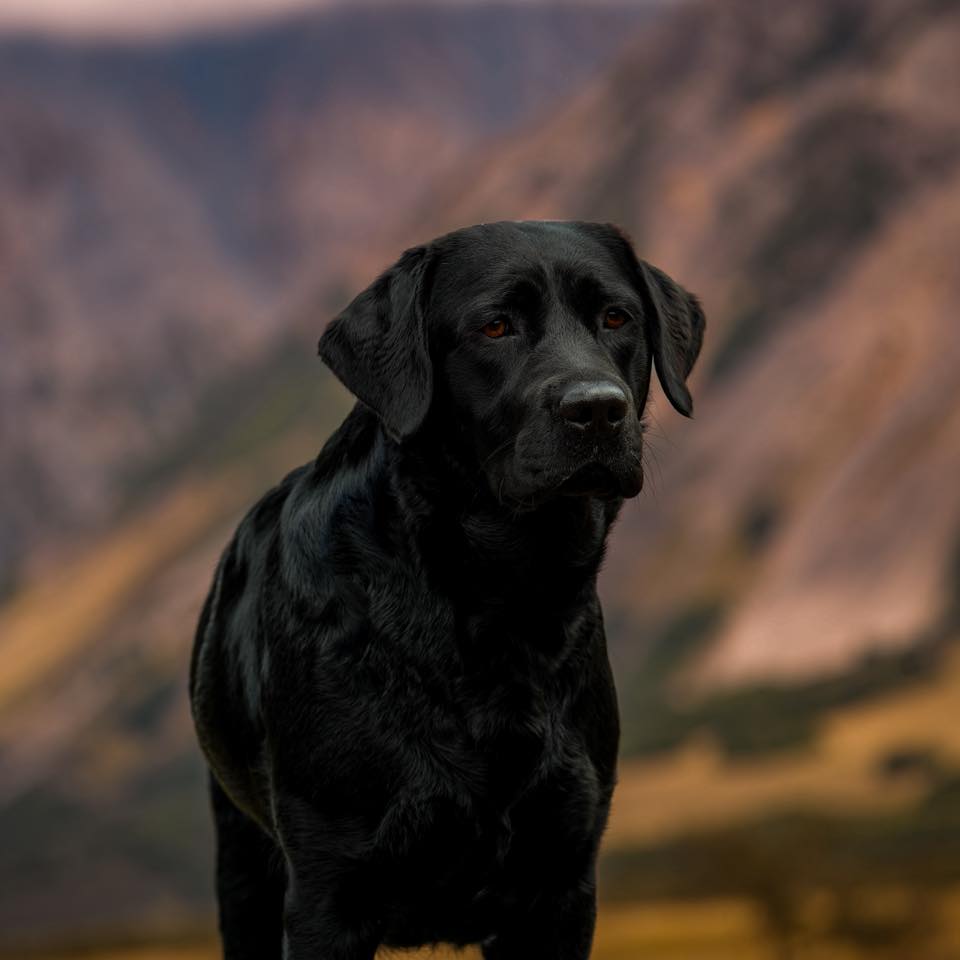
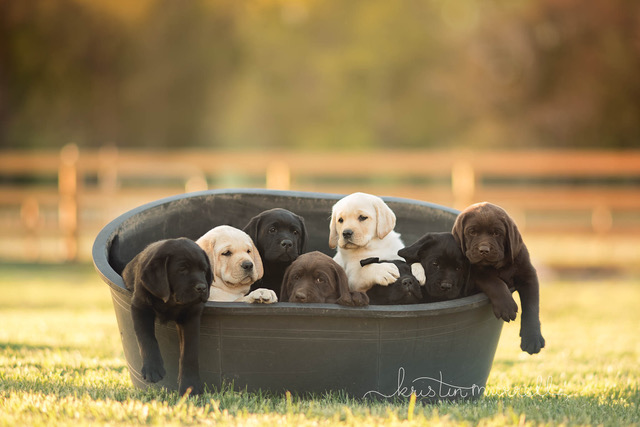
Three Labradors of the standard colors: Black, Yellow, Chocolate
Our Mission

The Labrador Breed Standard Recognizes Three Colors

The Labrador Retriever breed standard, maintained by the American Kennel Club and the Labrador Retriever Club, Inc., recognizes exactly three coat colors: black, yellow, and chocolate. This standard reflects over a century of careful breeding focused on temperament, structure, and working ability.

The True Labrador Registry exists to help Labrador breeders identify and track dilute bloodlines — dogs carrying the dd genotype responsible for silver, charcoal, and champagne coat colors. By mapping these lineages through AKC pedigree data, we provide breeders with the transparency needed to make informed breeding decisions and protect the health and integrity of the Labrador Retriever.
Black
Yellow
Chocolate
Origin & History

Where Did Silver Labradors Come From?

The history of the silver Labrador is a story of missing records, sudden appearances, and a single gene that was never part of the Labrador Retriever's documented heritage.

1800s

A Century of Documented Breeding

The Labrador Retriever has been documented since the early 1800s, originally bred as a working dog for Newfoundland fishermen and later refined by British aristocracy. Throughout this extensive recorded history — spanning kennel club registrations, breed books, and pedigree records — no silver, charcoal, or champagne Labrador was ever documented. Every historical record confirms only three colors: black (the original), yellow, and chocolate.

1950s

The Sudden Appearance

The first silver Labrador appeared in an advertisement in Gun Dog Magazine in the 1950s. Before this point, no silver-colored Labrador had ever been recorded in over 150 years of breed documentation. The timing coincides with a period when crossbreeding between Labrador Retrievers and Weimaraners — the only breed where the dilute (dd) genotype is universal — could have occurred. The Labrador Retriever Club states that this historical absence is “persuasive evidence” against the silver Labrador being purebred.

MLPH

The Dilute Gene (D Locus)

The silver color is caused by the melanophilin (MLPH) gene at the D locus. Dogs with two copies of the recessive dilution variant (dd) produce a washed-out version of their base color: chocolate becomes silver, black becomes charcoal, and yellow becomes champagne. The Weimaraner is the only breed where dd is universal, making it the most likely source of this allele in Labrador Retrievers. The LRC position is clear: this gene was never part of the Labrador gene pool.

Today

The Breed Club Position

Every major Labrador Retriever breed club worldwide opposes the silver Labrador. The Labrador Retriever Club, Inc. (AKC Parent Club) states: “It is the opinion of the LRC that a silver Labrador is not a purebred Labrador Retriever.” The UK Kennel Club introduced mandatory D-locus DNA testing in 2023, and the UKC has moved to reclassify dilute Labs as an “Unrecognized Breed.” Silver Labs are registered by the AKC as “chocolate” but cannot compete in conformation.

“The omission of ‘d’ and thus the impossibility of a dd dilute gene resulting from a pure Labrador breeding is certainly persuasive evidence that the silver Labrador is not a purebred.”

— The Labrador Retriever Club, Inc. (AKC Parent Club)
Health & Science

Color Dilution Alopecia: A Real Health Risk for Dilute Labradors

Color Dilution Alopecia (CDA) is a genetic skin condition directly linked to the dilute (dd) genotype. The abnormal clumping of melanin caused by the MLPH mutation leads to defective hair shaft structure — hair becomes brittle, breaks easily, and follicles can permanently fail to regrow.

In dilute Labrador Retrievers, veterinary dermatologists describe the breed as “very prone to develop a severe form of CDA” and note that silver and charcoal Labs are “over-represented” in CDA cases. The LABOKLIN veterinary laboratory specifically calls dilute Labradors a “deterrent example” of what happens when the dilute color is introduced into a breed that did not naturally carry it.

CDA typically presents between 3 and 12 months of age with progressive hair loss, flaky skin, and recurrent bacterial infections requiring lifelong veterinary management. While not life-threatening, it is a chronic condition with no cure — a health burden that responsible Labrador breeders can entirely prevent by avoiding dilute bloodlines.

Color Dilution Alopecia

Progressive, incurable hair loss and chronic skin infections caused by defective melanin transport. Onset at 3–12 months. Requires lifelong management including medicated baths, antibiotics, and specialized grooming.

Unknown Modifier Genes

Current genetic testing cannot predict which dilute dogs will develop CDA. Additional modifier genes — not yet identified — determine severity. There is no way for a Labrador breeder to screen for CDA risk beyond avoiding the dilute genotype entirely.

Narrow Gene Pool

Only approximately 7 traceable bloodlines exist for silver Labradors, leading to inevitable inbreeding within the dilute population. This concentrates not only CDA risk but potentially other recessive health conditions.

Color Dilution Alopecia progression infographic
For Breeders

What Every Labrador Breeder Should Know

Whether you're an experienced Labrador retriever breeder or evaluating a stud dog, understanding dilute lineage is essential for producing healthy, breed-standard puppies.

Carrier Status Is Hidden

A Labrador can carry the dilute gene (Dd) without showing any visible signs. Two carriers bred together have a 25% chance of producing dilute puppies. Without pedigree research, carrier status is invisible.

Pedigree Research Matters

Our registry maps known dilute bloodlines — primarily Beavercreek and Queja — through every generation. Searching a prospective sire or dam reveals dilute ancestry that may not be apparent from the dog itself.

Protect Your Breeding Program

By verifying pedigrees against known dilute lineages before breeding, responsible Labrador breeders can eliminate CDA risk entirely and ensure puppies meet the breed standard for color.

The Registry

Transparent Labrador Pedigree Data at Your Fingertips

The True Labrador Registry processes monthly AKC pedigree data imports, automatically resolving parentage relationships and tracking dilute lineage inheritance across every generation. When a dog is identified as descended from a known dilute bloodline, it is flagged with lineage indicators visible on every search result and profile page.

Every Labrador in our database includes a detailed profile with AKC registration data, multi-generation pedigree tree visualization, offspring records, title history, and dilute lineage status. Search by registered name, AKC number, owner, breeder, color, or title to find the information you need.

Powerful Search

Find any Labrador by name, AKC number, owner, breeder, color, lineage, or title. Fuzzy matching ensures you find what you need.

Interactive Pedigree Trees

Visualize multi-generation lineage with an interactive graph. Pan, zoom, and click through ancestors and descendants.

Dilute Lineage Flags

Dogs descended from known dilute bloodlines are automatically flagged with color-coded lineage indicators across the entire registry.

302 AKC Titles

Comprehensive title tracking with automatic extraction from registered names. View prefix and suffix titles for every dog.

Monthly AKC Data Imports

Regular data updates from AKC CSV exports ensure the registry stays current with new registrations, title changes, and pedigree updates.

Black, Yellow, and Chocolate Labrador Retrievers working in a field

Three colors. One breed standard. A legacy worth protecting.

FAQ

Frequently Asked Questions About Silver Labradors

Common questions from Labrador Retriever breeders, owners, and anyone researching the silver Labrador controversy.

Are silver Labradors purebred?

The Labrador Retriever Club, Inc. — the AKC Parent Club for the breed — states that silver Labradors are not purebred Labrador Retrievers. The dilute gene (dd) responsible for the silver color has no documented presence in the Labrador gene pool prior to the 1950s, and the Weimaraner is the only breed where this genotype is universal. While the AKC will register silver Labs (as chocolate) if both parents are registered, every major Labrador breed club worldwide opposes the color.

What is Color Dilution Alopecia (CDA)?

Color Dilution Alopecia is a genetic skin condition affecting dogs with the dilute (dd) genotype. The MLPH gene mutation causes abnormal melanin clumping that damages hair shafts, leading to progressive hair loss, dry flaky skin, and recurrent bacterial infections. CDA typically appears between 3 and 12 months of age and has no cure — only lifelong symptom management. Veterinary dermatologists describe dilute Labradors as 'very prone' to developing a 'severe form' of CDA.

Can you test for Color Dilution Alopecia before breeding?

Not directly. While D-locus DNA testing can identify whether a dog carries the dilute gene (dd or Dd), there is currently no genetic test that predicts whether a dilute dog will develop CDA. The condition depends on additional modifier genes that have not yet been identified. The only way for a Labrador breeder to eliminate CDA risk entirely is to avoid breeding dogs that carry the dilute allele.

What colors are recognized in the Labrador Retriever breed standard?

The AKC breed standard for the Labrador Retriever recognizes exactly three colors: black, yellow (ranging from fox-red to light cream), and chocolate. Silver, charcoal, and champagne are not recognized colors and are considered non-standard. Dogs of these colors are the result of the dilute (dd) genotype acting on the three base colors — silver from chocolate, charcoal from black, and champagne from yellow.

Why does the True Labrador Registry track dilute lineages?

The dilute gene is recessive, meaning a Labrador can carry it (Dd genotype) without showing any visible sign. Two carriers bred together have a 25% chance of producing dilute puppies. By mapping known dilute bloodlines — primarily the Beavercreek and Queja lineages — through every generation of AKC pedigree data, our registry helps responsible breeders identify carrier risk in prospective breeding dogs before it's too late.

How are silver Labradors registered with the AKC?

The AKC registers silver Labradors under the color code for 'chocolate,' since there is no silver color option in their Labrador Retriever registration form. Silver Labs can participate in AKC performance events (obedience, agility, hunt tests, rally) but cannot compete in conformation shows, as their color falls outside the breed standard.

What is the D locus and how does it affect Labrador coat color?

The D locus corresponds to the melanophilin (MLPH) gene, which controls the transport of pigment within hair cells. Dogs with two copies of a recessive dilution variant (dd) have impaired pigment transport, causing melanin to clump rather than distribute evenly. This produces diluted versions of the three standard Labrador colors: chocolate becomes silver, black becomes charcoal, and yellow becomes champagne. The standard genotype (DD or Dd) produces normal, full-strength color.

Breed Healthier Labradors. Verify Every Pedigree.

Search over 625,000 registered Labrador Retrievers. Verify lineage, identify dilute ancestry, and view multi-generation pedigree trees — all free and open to the public.